Three Leaf Clover: A Designer's Real-World Review
When I first opened the Three Leaf Clover file, my immediate reaction was one of relief. In a sea of overly complex floral arrangements and dense monograms, this design stood out for its quiet confidence. It is not trying to be the loudest thing on the shirt; it is simply doing its job with grace and precision. As someone who has spent years reviewing machine embroidery designs for both personal projects and client work, I can tell you that simplicity is often the hardest thing to pull off without looking cheap. Fortunately, this piece manages to feel substantial rather than sparse.
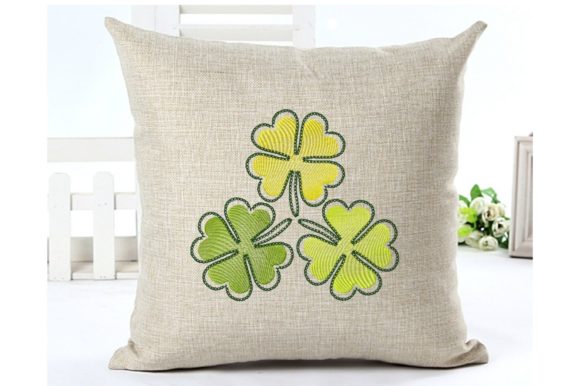
The concept falls squarely into the Single Flowers category, yet it transcends the typical "flower" label. The three-leaf structure creates a balanced geometry that feels grounded and organic. Visually, it evokes a sense of luck, growth, and natural beauty. It is the kind of motif that whispers rather than shouts, making it perfect for a boutique aesthetic or a minimalist home decor line. Before I even touched the hoop, I could already visualize how this would look stitched onto a linen tote bag or centered on a baby's onesie. It possesses a visual personality that is friendly, approachable, and undeniably charming.
From Screen to Stitch: The First Impressions
There is a distinct difference between a digital preview and the physical reality of an embroidered patch or garment. With Three Leaf Clover, the transition from screen to fabric is surprisingly smooth. The layout suggests a design that relies heavily on clean lines and open spaces. This means the stitch density needs to be just right—not so tight that the fabric puckers, but not so loose that the texture looks flat. In my initial assessment, the design appears to utilize a mix of satin stitches for the outlines and fill stitches for the leaves, which should provide a nice tactile depth.
The mood it creates is one of understated elegance. It feels like something you would find in a high-end craft fair booth or a curated Etsy shop specializing in handmade goods. It avoids the cluttered look of many mass-produced designs. Instead, it offers a clear focal point that allows the surrounding fabric texture to breathe. For a designer, this is crucial. You want your finished product to look professional, and a well-executed simple design often achieves that better than a complicated one that gets lost in the stitching errors common with lower-quality files.
Real-Life Application: The Tote Bag Test
To truly understand the value of this machine embroidery design, I had to imagine it in action. Let's say I am preparing a custom order for a local artisan market. I have a batch of heavy-duty canvas tote bags ready for decoration. These are the bread and butter of many small business owners and Etsy sellers looking to create branded merchandise or personalized gifts.
I placed the Three Leaf Clover file on the virtual mockup of the bag. The placement felt natural near the top corner or centered on the front panel. Because the design is relatively compact, it does not overwhelm the large surface area of the bag. Instead, it acts as a subtle branding element. When I think about the customer receiving this, they will see a design that implies quality and care. It suggests that the maker took time to select a pattern that complements the utility of the bag. It transforms a plain canvas tote into a thoughtful accessory, perhaps a great gift for a gardener or someone who loves nature.
This same logic applies to other items in the product description, such as pillow covers or dining rugs. On a pillow, the clover becomes a decorative accent that adds a touch of whimsy to a living room. On a dining rug, it grounds the space with a rustic charm. The versatility here is significant. It works equally well as a standalone statement piece or as part of a larger collection of botanical motifs. For a creative entrepreneur, this flexibility means one digital asset can serve multiple product lines, increasing the return on investment for the purchase.
Where to Exercise Caution
While Three Leaf Clover is a strong candidate for many applications, no design is universally perfect. As an experienced reviewer, I must highlight where this specific embroidery file might face challenges. If you are working with small hoop sizes, you need to verify that the dimensions of the clover fit comfortably without cutting off the outer edges of the leaves. Tiny details in any design can get lost when scaled down too much, so testing on scrap fabric is non-negotiable.
Fabric choice is another critical factor. This design relies on contrast and clarity. On dark fabrics, the thread colors must be vibrant enough to stand out against the background. If the fabric texture is too coarse or slubby, the clean lines of the clover might get obscured, resulting in a muddy appearance. Similarly, stretchy fabrics like jersey knit require extra attention to stabilizer usage. Without proper support, the tension of the stitches could cause the fabric to pucker around the leaf shapes, ruining the intended sleek look.
Curved surfaces, such as caps or fitted sweatshirts, present their own set of hurdles. While the design is simple, the curvature of a hat brim can distort straight lines if the hoop isn't aligned perfectly. Additionally, if you plan to use this for products that undergo frequent washing, like aprons or kitchen towels, you must ensure the stitch density is sufficient to hold up to friction. Loose threads on a simple design are more noticeable than on a complex one, so checking the back of the work for stability is essential before shipping a finished product.
Impact on Brand and Customer Trust
In the world of handmade products and commercial embroidery, the finish of your work speaks volumes about your brand. A well-stitched embroidery project builds trust. Customers associate neat, consistent stitching with reliability and quality. When a buyer sees the Three Leaf Clover executed flawlessly on a personalized gift or a custom apparel item, it reinforces the idea that the seller cares about the details. This attention to detail is what separates a hobbyist from a professional.
Furthermore, the design's clean aesthetic makes it highly "giftable." It is neutral enough to appeal to a wide audience while still having a distinct character. Whether it is used for holiday embroidery, wedding favors, or nursery decor, the clover motif carries positive connotations that resonate with buyers. For digital product sellers creating printable mockups, this design is a versatile asset that can enhance the visual appeal of listings, drawing in potential customers who appreciate clean, modern aesthetics.
Practical Designer Notes for Success
Before you commit to using this design in a commercial setting or a high-stakes client project, there are several steps every smart designer takes. First and foremost, test the design on scrap fabric that matches your final material. This allows you to gauge the stitch density and adjust the tension if necessary. Check the thread color contrast carefully; sometimes a color that looks good on screen appears dull in real life due to lighting or fabric absorption.
Review the stitch types included in the file. Understanding whether the design uses satin stitch, fill stitch, or running stitch helps you anticipate how it will behave on different materials. Confirm the recommended hoop size to ensure the design fits your equipment. Inspect small details under magnification to make sure no tiny elements are at risk of breaking during the stitching process. It is also wise to test the design in black and white mockups to see how the shapes read without the distraction of color.
Finally, always consider the end-use environment. Will the item be washed frequently? Is it going to be worn daily? Ensure you are using the proper stabilizer to maintain the integrity of the embroidery over time. And, of course, double-check the licensing terms. Confirm whether the design is cleared for commercial use if you intend to sell the finished product or include it in a digital bundle. By following these practical steps, you ensure that the Three Leaf Clover lives up to its potential as a reliable tool in your creative arsenal.