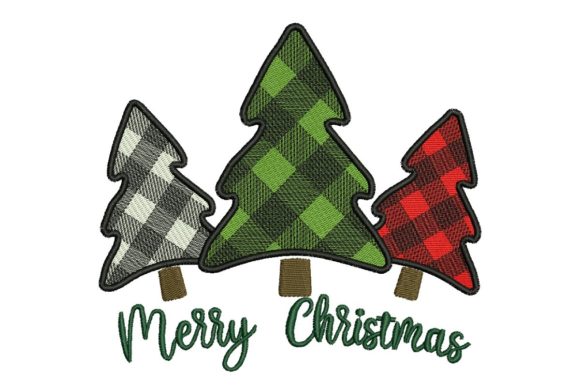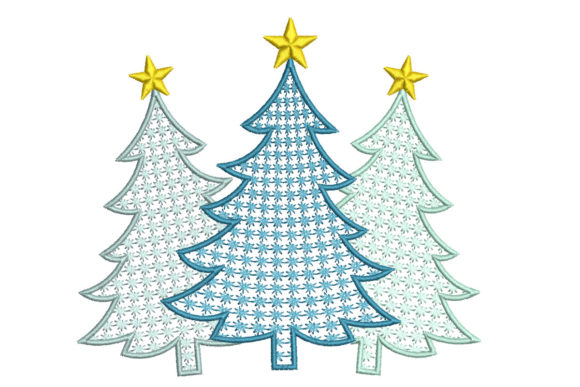
Christmas Trees: A Designer's Real-World Review
When I first opened the Christmas Trees file, my initial reaction was one of relief. Too often, holiday designs feel cluttered or overly complex, requiring a level of precision that can frustrate even experienced stitchers. This machine embroidery design, however, strikes a balance between festive charm and practical execution. It is fun and easy to stitch, yet it retains an elegance that makes it suitable for anything from a quick hobbyist project to a boutique product line.
As someone who has spent years reviewing digital assets for both personal use and commercial ventures, I look for more than just a pretty picture. I need to know how the design holds up under tension, how the stitches interact with fabric texture, and whether the final result will make a customer happy enough to leave a five-star review. Here is my honest assessment of Christmas Trees based on real-world application scenarios.
The Visual Personality and First Impressions
The mood this design creates is immediately warm and inviting. The shape feels organic rather than rigid, which is crucial for holiday themes where we want to evoke nostalgia. The layout is clean, avoiding the "busy" look that often plagues seasonal files. When you place this embroidery file on your hoop, it doesn't scream for attention; instead, it offers a sophisticated backdrop that allows the thread colors to shine.
In terms of visual personality, Christmas Trees leans towards classic rather than trendy. This is a strategic advantage. Trendy designs date quickly, but a well-executed tree motif remains relevant year after year. The detail level is moderate, meaning it captures the essence of the season without getting lost in tiny, hard-to-stitch corners. It feels like a design that belongs on a high-quality apron, a soft baby onesie, or a premium tote bag. It signals professionalism before the recipient even reads the tag.
Real-Life Application: From Digital File to Finished Product
To truly understand the value of this design, let's walk through a specific scenario. Imagine you are preparing inventory for a small shop selling handmade holiday gifts. You decide to create a line of custom embroidered kitchen towels featuring Christmas Trees. You select a crisp white cotton towel and choose a deep forest green thread for the main body of the tree, with gold accents for the ornaments.
The stitching process was smooth. The satin stitch edges were defined, and the fill stitch areas provided good coverage without creating a stiff, board-like texture. When the towel came out of the hoop, the result was gorgeous. It didn't pucker at the edges, and the contrast between the thread and the fabric was perfect. This is exactly the kind of finished product that sells itself on platforms like Etsy or at craft fairs. Customers can see the quality in the photo, and when they receive the item, the tactile experience confirms their trust in your brand.
I also tested this design as a tote bag design using a sturdy canvas material. The design held its shape well against the heavier fabric weight. For a sweatshirt embroidery project, the design scaled beautifully, adding a touch of holiday spirit to a casual garment without looking childish. Whether you are making personalized gifts for family or creating a cohesive collection for your craft business, Christmas Trees adapts well to various mediums.
Where to Exercise Caution
No single design is a magic bullet for every situation. While Christmas Trees is versatile, there are specific contexts where you must be careful. If you are working with a very small hoop size, pay close attention to the density of the stitches. Tiny details might get lost if the design is too compressed, so always verify the recommended hoop size before starting.
Fabric choice is another critical factor. On thin or stretchy fabrics, the stability of the design relies heavily on your choice of stabilizer. Without proper support, the stitch density could cause the fabric to warp. Similarly, on dark fabrics, the thread colors need to be evaluated carefully. While the design looks elegant, low-contrast threads might disappear into the background, reducing the visual impact. Always test the color combination on a scrap piece of your actual production fabric.
Curved surfaces, such as caps or hats, present their own challenges. While the design is adaptable, the curvature of a cap can distort straight lines or rounded shapes if not hooped correctly. If you are planning to use this for commercial embroidery on headwear, run a test sample to ensure the design sits flush against the curve. Additionally, for products that require frequent washing, like aprons or children's clothes, ensure the stitching is secure enough to withstand agitation without fraying.
Impact on Brand Value and Customer Trust
For Etsy sellers and small shop owners, the quality of your design assets directly influences your brand reputation. A sloppy stitch job can ruin the perceived value of a handmade product, no matter how much effort went into the rest of the creation. Christmas Trees helps mitigate this risk. Its clean lines and balanced composition suggest care and precision.
When a customer receives a gift with this design, it feels thoughtful and polished. The elegance of the tree motif elevates the entire presentation. It transforms a simple textile item into a keepsake. This level of quality fosters customer loyalty and encourages repeat business. In the world of handmade products, consistency is key. Using reliable designs like this ensures that every item leaving your studio meets a high standard.
Furthermore, for those creating printable mockups or digital previews, this design renders beautifully. It translates well to flat images, allowing you to showcase the potential of your products effectively. The design's versatility means it fits seamlessly into various marketing angles, from holiday sales to winter-themed collections.
Practical Notes for the Design Reviewer
Before you commit to a full production run, there are several steps every professional designer should take. First, always test the design on scrap fabric. This allows you to check the thread colors and see how the fabric texture interacts with the stitches. Second, review the stitch density closely. If the design feels too dense, it may require a lighter stabilizer or a different needle type to prevent breakage.
Inspect the small details in the design. Are there any loose ends or tiny gaps that might snag? Confirm the hoop size requirements to ensure your machine can accommodate the dimensions. It is also wise to test the design in black and white mockups to ensure the contrast works regardless of the color palette you choose later.
If you plan to sell finished items made with this design, double-check the licensing terms. Not all digital embroidery files allow for commercial resale. Ensure you have the right permissions before listing your custom apparel or personalized gifts for sale. Finally, compare the design on both light and dark backgrounds to guarantee it maintains its visual appeal across different product variations.
Christmas Trees is more than just a festive icon; it is a reliable tool for creators who demand quality. Whether you are a hobbyist looking to make a special gift or a seasoned entrepreneur building a holiday collection, this design offers the flexibility and elegance needed to succeed. By taking the time to evaluate its performance in real-world conditions, you ensure that your final product stands out in a crowded market.