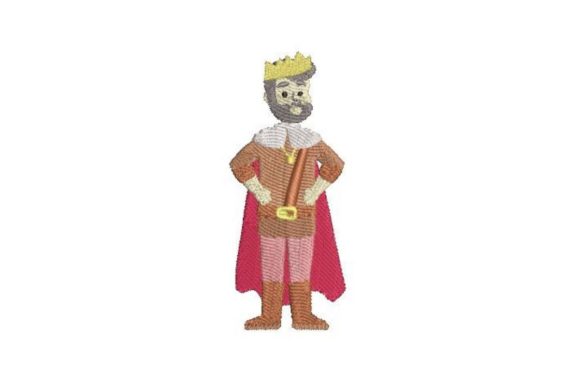
Reviewing King: A Designer's Take on a Craft Fair Star
As an experienced embroidery designer who has spent countless weekends prepping booths for local craft fairs and managing a busy handmade shop, I know that the difference between a design that sits in your digital folder and one that becomes best-seller often comes down to visual impact and practical production. Today, I am putting the King machine embroidery design under the microscope. This is not just a file; it is a potential centerpiece for your next collection of handmade products.
The product description paints King as a high-quality option that will look adorable on any fabric or clothes. While "cute" is a broad term, in the world of craft fair products, it is a powerful selling point. My first impression of King suggests a design with a bold yet approachable personality. Whether it leans into a modern farmhouse aesthetic or offers a playful, regal charm, the title implies a focal point that demands attention without overwhelming the garment. For a Etsy seller or boutique maker, this balance is crucial. You want something that catches the eye from three feet away but rewards closer inspection with quality stitching.
From Digital File to Physical Display
Imagine setting up your table at a weekend market. The lighting is bright, the air smells like coffee, and hundreds of people are walking past your booth. What makes them stop? It is usually a combination of texture, color, and a design that tells a story. When I visualize King stitched onto various items, I see immediate versatility.
For tote bag designs, King would likely serve as a perfect large focal design. A sturdy canvas tote with a crisp, well-executed embroidery design feels premium. Customers love carrying their groceries or books in bags that reflect their personality. If King has enough detail, it transforms a basic tote into a statement piece. Similarly, for apron embroidery, placing this design on the bib area creates an instant connection with home cooks and bakers. The word "King" paired with a kitchen setting adds a touch of humor and warmth that resonates with gift buyers looking for something unique.
Kitchen towels are another powerhouse category for handmade products. A set of tea towels featuring King could be sold individually or as a coordinated set. The soft texture of terry cloth provides a beautiful contrast to the smooth satin stitches of the machine embroidery. However, you must consider the fabric texture; if the towel is too thick, the design might sink in. Testing on scrap fabric is non-negotiable here to ensure the stitch density holds up against the loops of the towel.
Small Accents and High-Impact Patches
Not every item needs to be large. King could also shine as an embroidered patch or a small accent on a cap. Caps are notoriously difficult due to their curved surfaces, so the stability of the design is key. If King includes clear outlines and avoids overly tiny details in the corners, it will hold its shape well on structured hats. These make excellent impulse buys at a booth price point.
For small shop products like fabric pouches or pillow covers, King offers a chance to create a cohesive brand identity. Imagine a series of matching pouches where King is the central motif, perhaps surrounded by complementary elements. This consistency builds trust with buyers who return to your shop because they recognize your style. The design's ability to photograph well is also vital. A strong image of King on a neutral background can drive clicks on social media and Etsy listings, acting as a digital asset that drives real-world sales.
Production Realities and Design Integrity
While the vision is exciting, the devil is in the details of production. As a designer reviewing this for commercial use, I have to ask: does King translate well from screen to stitch? One of the most common pitfalls in commercial embroidery is overestimating the clarity of a design when scaled down.
- Stitch Density: If the design is too dense, it may pucker the fabric, especially on lightweight materials like linen or sheer cotton. Conversely, if it is too sparse, it may look unfinished on darker fabrics. You need to verify the thread colors and ensure there is enough contrast to make the design pop.
- Small Details: Be wary of tiny lettering or intricate lines within the design. On a tea towel embroidery project, these might get lost in the weave. On a digital embroidery file intended for a small pouch, they might disappear entirely. Always test the smallest element of King at its intended size before mass producing.
- Hoop Size: Confirm the recommended hoop size for the final output. A design meant for a 4x4 hoop will look very different than one optimized for a 6x10 hoop. Ensure your production workflow matches the design specifications to avoid wasted time and materials.
Furthermore, the choice of stabilizer is critical. Heavy-weight tear-away or cut-away stabilizers are often needed for items like caps and aprons to prevent distortion. If you are working with textured towels, you might need a water-soluble topping to keep the stitches crisp. Ignoring these technical steps can result in a finished product that looks amateurish, which is the last thing you want when trying to justify higher price points.
Photography and Customer Engagement
In the era of online shopping, your printable mockup is your storefront. King must look sharp in photos. Does the design cast shadows that obscure the text? Do the thread colors clash with the fabric? A good rule of thumb is to create at least one real mockup rather than relying solely on digital rendering. Nothing sells better than a photo of a real person holding a tote bag with King stitched perfectly on it.
When customers browse your booth or website, they are looking for quality. A clean, professional-looking finished product signals that you care about your craft. If King is executed with precision, it elevates the perceived value of your entire booth. It suggests that you are a serious creative entrepreneur who understands the nuances of machine embroidery.
Final Verdict and Next Steps
The King design has the potential to be a standout addition to your catalog. Its description promises cuteness and versatility, which are exactly what buyers want in handmade gifts and seasonal items. Whether you are creating a line of market bags or a collection of design assets for other makers, King offers a solid foundation.
Before you commit to a full run, remember these essential steps:
- Test the design on scrap fabric to check for puckering.
- Review spacing and confirm the hoop size fits your target products.
- Inspect the stitch density to ensure no tiny details are lost.
- Use the right stabilizer for the specific fabric texture.
- Create a real physical mockup to photograph for your listings.
- Compare different fabric colors to find the best contrast.
- Confirm commercial licensing terms before selling any finished goods.
If you follow these guidelines, King will not just be another design in your library; it will be a reliable driver of sales for your embroidery business. With careful execution, it can become a signature piece that defines your brand and delights your customers at every craft fair and online store visit.