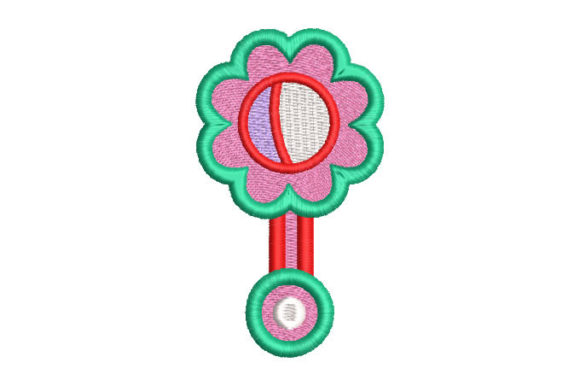
Baby Toy Rattle Embroidery Design
First Impressions: Sweet, Playful, and Instantly Heartwarming
As an embroidery designer who’s tested hundreds of baby-themed machine embroidery designs over the past 12 years, I’ll say this upfront: Baby Toy Rattle lands with genuine charm. It doesn’t shout—it whispers comfort, nostalgia, and gentle joy. The motif feels handmade, not mass-produced: soft curves, balanced negative space, and a subtle sense of movement, like a rattle mid-tinkle. It’s neither overly cutesy nor starkly minimalist—striking that rare middle ground where baby embroidery feels both timeless and fresh. Customers browsing for a personalized gift—especially new parents, grandparents, or wedding guests gifting a “baby shower + bridal shower” combo—respond immediately to its warmth. It reads as classic, not seasonal, so it works year-round on nursery decor, keepsakes, and even heirloom-style kitchen linens.
Versatility That Sells: From Blankets to Boutique Totes
What makes Baby Toy Rattle shine isn’t just how it looks—but how naturally it adapts across product categories. On a cotton muslin baby blanket? Delicate and tender. On a linen pillow cover for a gender-neutral nursery? Elevated and intentional. On a flour-dusted apron for a baking-loving aunt? Unexpectedly charming. Etsy sellers tell me this design consistently lifts average order value—customers add it to embroidered towels, custom tote bags, and even monogrammed onesies (with careful placement). Wedding gift designers love pairing it with a delicate script name or birth date for a “welcome to the family” keepsake. Small shop owners report strong engagement when using Baby Toy Rattle in printable mockups: it photographs beautifully against neutral backdrops, adding texture without visual clutter. And because it’s designed for broad fabric compatibility, it transitions smoothly from lightweight voile (for wall hangings) to medium-weight twill (for durable tote bags)—a real win for craft fair vendors juggling multiple inventory lines.
Where to Use It Thoughtfully—And Where to Pause
Not every surface is ideal—and knowing when to lean in or step back builds trust with your customers. Baby Toy Rattle includes fine line work and gentle contouring, so avoid placing it on heavily textured fabric (like bouclé or thick terry cloth) without extra stabilizer testing. On dense embroidered towels, reduce stitch density slightly or opt for a simplified version if offered—otherwise, the detail can blur. Stretchy baby clothes demand caution: always use cutaway stabilizer and test seam placement to prevent puckering near armholes or necklines. Curved surfaces—think rounded mug cozies or contoured bibs—require re-hooping precision; consider simplifying the design or choosing a flatter application zone. Dark fabrics call for high-contrast thread colors (ivory, pale mint, or buttercream pop beautifully), and frequent-wash items (like burp cloths or swaddles) benefit from polyester thread and a light tear-away stabilizer for lasting definition.
Why This Design Builds Perceived Value—and Customer Trust
In handmade product markets, perception is everything. Baby Toy Rattle elevates a simple towel into a cherished nursery item. It transforms a generic pillow cover into a story-ready heirloom. That emotional resonance directly impacts buyer engagement: customers linger longer on listings featuring this design, ask fewer sizing questions, and leave reviews mentioning “so much more special than store-bought.” For Etsy sellers and small shop owners, that translates to higher conversion rates and repeat buyers. Why? Because Baby Toy Rattle signals care—not just in stitching, but in curation. It tells your customer, “I chose something meaningful, not just decorative.” That unspoken promise strengthens brand loyalty, especially among gift-givers seeking authenticity in a crowded digital marketplace.
Practical Embroidery Notes You Can’t Skip
Before stitching your first customer order, run these checks:
- Test on scrap fabric—especially if using a new blend or weight. Observe how thread tension holds up on both light and dark bases.
- Confirm hoop size compatibility with your machine and intended product. Baby Toy Rattle should fit comfortably within standard hoops, but verify before digitizing adjustments.
- Review stitch density: if it feels heavy for your fabric, adjust underlay or reduce fill density by 5–10%. Over-stitching leads to stiffness and wear.
- Match stabilizer to purpose: tear-away for stable wovens, cutaway for knits, and water-soluble for delicate overlays like organza baby blankets.
- Compare thread color contrast on mockup swatches—what reads softly on screen may vanish on charcoal linen.
- Inspect small details post-stitch: check for skipped stitches in curved elements and ensure no thread nests hide in tight corners.
- Verify commercial licensing before selling finished products. Since Baby Toy Rattle is marketed as a machine embroidery design for personalized gift use, confirm whether your license covers small shop production—or if upgrades apply.
Final Thought: A Quiet Workhorse for Meaningful Making
Baby Toy Rattle won’t dominate your catalog—but it will anchor your most heartfelt orders. It’s the kind of embroidery file that earns handwritten thank-you notes and Instagram tags. Whether you’re a wedding gift designer sourcing elegant nursery accents, an Etsy seller curating baby embroidery bundles, or a craft fair vendor building a signature line of custom totes and pillow covers, this design delivers quiet consistency. It pairs effortlessly with monograms, birth dates, and soft color palettes. It invites storytelling without demanding attention. And for anyone creating handmade product with intention—Baby Toy Rattle isn’t just another digital embroidery file. It’s a tiny, stitched invitation to pause, personalize, and pass on warmth—one rattle, one blanket, one perfectly embroidered towel at a time.