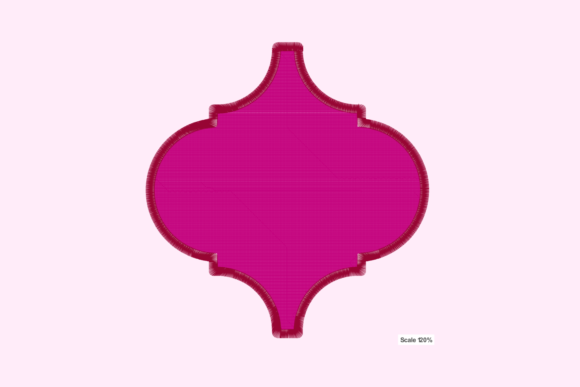
Pink Arabesque Tile Review for Craft Fairs
As an experienced embroidery designer preparing my booth for the upcoming weekend craft fair, I am constantly evaluating new assets to ensure they meet the high standards of handmade quality that customers expect. Today, I am putting Pink Arabesque Tile through a rigorous trial run. This machine embroidery design is described as stunning and perfect for various creative projects, but does it truly hold up under the bright lights of a market table? After testing this digital embroidery file on multiple substrates, I have determined exactly where it fits in your product line and how it will perform for Etsy sellers and boutique makers alike.
First Impressions: A Bold Yet Elegant Statement
The moment I opened the file for Pink Arabesque Tile, the visual impact was immediate. The name suggests a blend of traditional geometry with a soft, modern color palette. Unlike many rustic or farmhouse designs that rely on muted earth tones, this piece brings a pop of vibrant energy that catches the eye from across a crowded aisle. It feels both decorative and premium, striking a balance between cute and sophisticated.
For a craft fair seller, the first impression is everything. This design does not feel like a generic clipart; it possesses the intricate depth required for a high-end finished product. Whether you are looking for something festive for a spring sale or elegant enough for a wedding gift shop, Pink Arabesque Tile offers a versatile aesthetic. It stands out as a standout piece within the Intricate Cuts category, offering a level of detail that signals quality to discerning buyers who value handmade craftsmanship.
Product Potential: Where Does It Shine?
When planning my display table, I considered which items would best showcase the complexity of this embroidery design. Not all products are created equal when it comes to displaying detailed patterns. Here is how Pink Arabesque Tile performs on key craft fair products:
- Tote Bags and Market Bags: These are the bread and butter of any handmade shop. Placing Pink Arabesque Tile as a large focal design on a canvas tote bag creates an instant statement piece. The pattern fills the space beautifully without overwhelming the bag's structure, making it an ideal tote bag design for daily use shoppers.
- Aprons and Tea Towels: In the kitchen category, this design excels. On a white tea towel, the pink hues offer a cheerful contrast that elevates the item from a simple utility object to a giftable home decor piece. Similarly, on apron embroidery projects, it adds a touch of whimsy to the chest pocket area or runs down the center of the bib.
- Caps and Embroidered Patches: For smaller inventory, this design can be scaled down effectively. However, on curved cap surfaces, the density of the pattern must be carefully managed. As an embroidered patch, the geometric nature of the tile allows for clean edges, making it perfect for selling as a standalone accessory or a kit add-on.
- Pillow Covers and Fabric Pouches: For home goods, this design serves as a luxurious accent. On pillow covers, it acts as a centerpiece that draws attention in a boutique setting. Small pouches benefit from the compact nature of the pattern, allowing the design to remain legible even on a miniature scale.
Photography and Visual Appeal for Online Listings
In the era of digital sales, your printable mockup and Etsy listing photos are just as important as the physical product. Pink Arabesque Tile photographs exceptionally well because of its distinct lines and color saturation. When creating images for your shop, the design provides excellent contrast against neutral backgrounds, ensuring the details are visible even in thumbnail views.
For small shop products sold online, clarity is king. The pattern's symmetry makes it easy to frame in photos, creating a professional look that builds trust with potential buyers. Whether you are showcasing a single item or a bundle of commercial embroidery goods, this design asset ensures your brand consistency remains strong. It looks good in person, but it also translates perfectly to digital screens, increasing the likelihood of clicks and conversions.
Production Practicality and Batch Efficiency
From a production standpoint, efficiency is crucial for profitability at craft fairs. One of the strongest points of Pink Arabesque Tile is its repeatability. The pattern works seamlessly as a continuous border or a centered motif, allowing you to batch produce items quickly. If you are running a stall with limited setup time, the ability to stitch multiple units rapidly without losing design integrity is a massive advantage.
However, there are practical considerations regarding stitch density. Because the design features intricate cuts, it requires a steady hand and proper stabilization. When working with thick fabric or textured towels, you may need to adjust your hoop size or stabilizer choice to prevent puckering. The design is versatile enough to work as a small accent or a large focal point, but the thread colors must be chosen carefully to maintain definition.
Crucial Use Notes for Success
Before you rush into mass production, there are specific areas where this design demands your attention. First, dense stitch areas can sometimes cause issues if the fabric is too thin or unstable. Always test the design on scrap fabric before committing to your final product. Check the thread contrast closely; while the pink is vibrant, it may lose clarity on dark fabrics unless a high-quality underlay or specific thread weight is used.
Be wary of tiny details if you plan to shrink the design significantly for items like caps or small patches. While the description promises versatility, some elements of the tile pattern may blur if reduced beyond a certain percentage. Additionally, on curved surfaces like caps, the flat nature of the embroidery might distort slightly, so a careful fit test is essential. Finally, confirm the commercial licensing terms included with your digital embroidery file to ensure you are legally cleared to sell the finished product.
Designer's Checklist for Final Approval
To ensure Pink Arabesque Tile delivers the quality your customers expect, follow these steps before hitting the road to your next craft fair:
- Test on Scrap Fabric: Run the design on a variety of materials to check for tension and pull.
- Review Thread Colors: Ensure the selected threads provide enough contrast against your base fabric.
- Inspect Stitch Density: Look for gaps or excessive bulk that could affect the drape of the item.
- Confirm Hoop Size: Verify that your hoop dimensions accommodate the design without cutting off edges.
- Create Real Mockups: Photograph actual samples rather than relying solely on digital renderings.
- Compare Fabric Colors: Test the design on white, cream, and pastel options to see which sells best.
- Check Commercial Licensing: Read the fine print to ensure you have the right to resell finished goods.
Ultimately, Pink Arabesque Tile is a robust addition to any embroiderer's arsenal. It combines visual appeal with practical utility, making it a smart investment for entrepreneurs looking to elevate their handmade product offerings. By paying attention to the nuances of production and presentation, you can turn this digital file into a top-selling item that resonates with craft fair attendees and online shoppers alike.