Abraham Embroidery Design Review for Craft Fairs
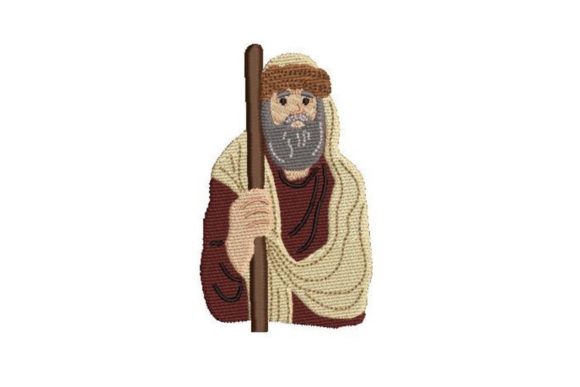
As an experienced embroidery designer preparing for a busy weekend craft fair, I am constantly evaluating digital files to see which ones will translate into best-selling handmade products. Today, I am reviewing the Abraham machine embroidery design. The product description highlights that Abraham is the common patriarch of the Abrahamic religions, including Judaism, Christianity, and Islam, and notes that this is a very easy design to embroider. This simplicity immediately signals to me that this could be a versatile addition to my booth display, but I need to dig deeper into how it performs on actual physical goods before I commit to mass production.
First Impressions and Visual Appeal
The first thing I notice about Abraham is its potential to serve as a focal point or a subtle accent depending on how you style it. Given the religious significance mentioned in the description, the design likely carries a tone of reverence, history, and connection. For a craft fair audience, this translates well into categories like farmhouse decor, modern minimalist gifts, or traditional religious merchandise. It does not feel overly trendy or fleeting; instead, it has a timeless quality that suggests premium value.
In a crowded market stall, customers are drawn to items that speak to their identity or faith. A design featuring this name can act as a conversation starter. However, the "very easy" nature of the file suggests a clean, readable aesthetic rather than an intricate, dense masterpiece. This is a strategic advantage because it ensures the design remains legible even from a distance, which is crucial when displaying items on a table covered with various textiles.
Product Potential: From Totes to Tea Towels
I have already visualized how Abraham would look across a range of crafter fair products. Let us break down the performance on key items:
- Tote Bag Design: This is perhaps the strongest application. A large tote bag offers ample space for the design to breathe. Whether placed centrally or offset on the side, the text would stand out clearly against canvas or cotton twill. It appeals to shoppers looking for functional yet meaningful accessories.
- Apron Embroidery: For the culinary enthusiast who values heritage, an apron featuring this name adds a touch of elegance to the kitchen. It works particularly well as a gift item, bridging the gap between daily utility and spiritual appreciation.
- Tea Towel Embroidery: Kitchen linens are a staple at handmade markets. The design's ease of execution makes it perfect for high-volume production here. Customers love finding unique touches on everyday items, and a tea towel with this motif fits perfectly into a rustic or farmhouse-themed home.
- Caps and Patches: If the design is scaled down effectively, it could work as an embroidered patch or a cap front. These are excellent impulse-buy items for walk-by traffic at a booth.
- Pillow Covers and Small Pouches: These smaller projects allow for a more intimate presentation of the design. They are ideal for gifting and often sell quickly once displayed alongside larger items.
Photography and Online Listings
For any Etsy seller or online boutique maker, photography is everything. A simple, clean design like Abraham photographs beautifully because it lacks distracting clutter. When creating printable mockups or taking photos of finished samples, the contrast between the thread and the fabric will be the star. I recommend testing the design on neutral backgrounds like cream, sage green, or denim blue to ensure the text pops. The clarity of the design ensures that even small thumbnails in search results will remain readable, increasing click-through rates.
Production Practicality and Sales Strategy
The description emphasizes that this is a "very easy" design to embroider. In the world of commercial embroidery, ease of production is synonymous with profit margin. Simple designs stitch faster, require less tension adjustment, and are less prone to puckering or thread breaks. This allows me to produce a batch of small shop products efficiently without sacrificing quality.
From a selling perspective, the design feels repeatable. I can create a cohesive collection where Abraham is the anchor, paired with complementary motifs or color schemes. This consistency strengthens my brand presence at the fair. Customers are more likely to buy multiple items if they see a unified aesthetic. Furthermore, the straightforward nature of the file means I can offer customization options, such as changing thread colors to match specific customer preferences, without worrying about complex stitching paths.
Critical Considerations and Technical Checks
While the design sounds promising, a professional review requires caution. Before running a full production run, I must address several technical factors to ensure the final product meets high standards.
- Stitch Density and Detail: Even if a design is labeled "easy," I need to verify that there are no areas of excessive density that could cause the fabric to stiffen or pucker. Conversely, I must check for tiny details that might get lost in the stitching process, especially if I plan to use the design on smaller items like patches.
- Fabric Texture: The choice of material is vital. Textured towels or thick fabrics may obscure fine lines. I will need to test the design on the specific fabric texture I intend to sell to confirm that the lettering remains crisp.
- Hoop Size and Placement: Confirming the correct hoop size is essential to avoid cutting off parts of the design. I also need to ensure the spacing allows for proper stabilization, particularly on curved surfaces like caps.
- Thread Contrast: The visual impact relies heavily on thread selection. On dark fabric, light threads might not provide enough contrast, while white threads on dark fabric can sometimes appear harsh. Testing various thread colors is a necessary step.
- Commercial Licensing: Since this is a religious figure, I must carefully review the digital embroidery file license terms. Some designs have restrictions on commercial use, especially those depicting specific religious iconography. I cannot assume permission to sell finished products without verifying these terms explicitly.
Final Verdict for the Booth
The Abraham design has strong potential to become a standout item in my handmade collection. Its ability to convey deep meaning through a simple, easy-to-stitch format makes it highly practical for both quick turnover sales and higher-value gift items. By focusing on quality materials, careful stabilization, and thoughtful presentation, I can transform this digital asset into a tangible product that resonates with buyers.
For fellow entrepreneurs and designers, my advice is to treat this design as a cornerstone for a faith-based or heritage-themed line. Test it thoroughly, respect the licensing agreements, and present it with pride. When done right, a design like Abraham does more than just fill a space on a tote bag; it connects with the wearer and adds a layer of story to your handmade product offerings.