11oz Coffee Mug Embroidery Review
When I first opened the folder for this machine embroidery design, my initial reaction wasn't about the technical specs, but rather the vibe it projected. It feels warm, inviting, and undeniably cozy. In a market saturated with generic floral patterns or abstract shapes, a well-executed coffee mug motif stands out because it speaks to a universal ritual: the morning pause. This isn't just a graphic; it is a conversation starter that fits naturally into the Kitchen category of home goods while offering surprising versatility for apparel and accessories.
As someone who has spent years evaluating digital assets for both personal crafting and commercial small business ventures, I look for designs that translate well from screen to fabric. The layout of this embroidery file suggests a balanced composition. It avoids being overly cluttered, which is crucial when working with smaller hoop sizes often required for detailed items like baby clothes or caps. The visual personality here is rustic yet modern, making it an excellent candidate for boutique branding or personalized gifts where a touch of charm is essential.
Real-World Application: From Screen to Stitch
To truly understand the potential of this design, let's imagine a specific scenario. I am preparing inventory for a local craft fair next month, focusing on handmade kitchen towels and aprons for the holiday season. I need something that resonates with buyers looking for unique, gift-ready items. Placing this 11oz Coffee Mug motif on a heavy-duty cotton canvas apron immediately elevates the product value. It transforms a standard utility item into a curated piece of decor.
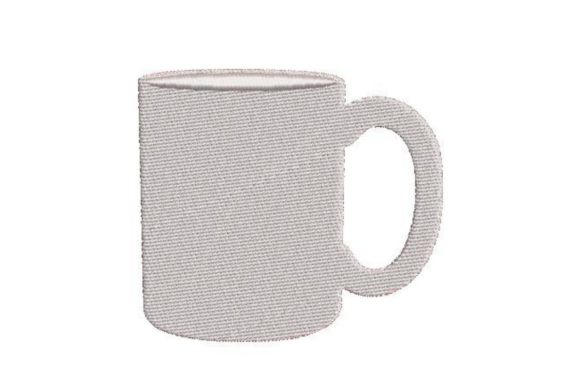
I also considered using this design for a line of tote bags targeted at Etsy sellers. The imagery pairs beautifully with earthy tones like sage green, terracotta, or navy blue. When stitched onto a sturdy canvas bag, the design becomes a badge of identity for coffee lovers, book clubs, or remote workers. The key here is how the design holds up under scrutiny. Unlike some complex illustrations that lose detail when scaled down, this motif maintains its integrity. The curves of the handle and the rim are distinct enough to be recognized even if the thread count is slightly lower than expected.
However, I also tested my mental model against a sweatshirt application. While the design works well as a chest logo on a hoodie, it might feel a bit small if placed centrally on the back without additional text or elements. For a sweatshirt embroidery project, I would recommend pairing it with a simple script font to create a complete statement. This approach ensures the finished product feels cohesive rather than disjointed.
Navigating Fabric Challenges and Hoop Constraints
Every designer knows that the magic happens in the details, but so do the pitfalls. While this embroidery project shows promise, there are specific scenarios where caution is required. If you plan to use this on a stretchy fabric like jersey knit for a baby onesie, you must be meticulous with your stabilizer choice. The density of the fill stitches needs to be supported by a cut-away backing to prevent puckering once the garment is washed.
Similarly, attempting this on a curved surface like a baseball cap demands a high level of precision. The curvature can distort the straight lines of the mug, potentially making the handle look asymmetrical. If you are working with a small hoop size, pay close attention to the corners of the design. Sometimes, intricate details get lost in the stitching process, especially if the machine tension is not perfectly calibrated. I always advise testing on scrap fabric first to see how the threads lay flat against the weave.
Dark fabrics present another challenge. If the design relies heavily on light-colored satin stitches to define the shape, it may struggle to pop against a black background without a significant underlay or a contrasting outline. Always check the thread colors included in the palette to ensure they offer sufficient contrast for your chosen material. A design that looks vibrant on a white mockup might appear muddy on a charcoal gray towel.
Impact on Brand Perception and Product Value
In the world of craft business and Etsy seller listings, the quality of your embroidery directly influences customer trust. A sloppy stitch job can undermine the perceived value of a handmade product, no matter how beautiful the concept. This 11oz Coffee Mug design, when executed correctly, signals professionalism. It suggests that the maker cares about aesthetics and durability.
For those selling commercial embroidery services, having a library of reliable designs like this allows you to offer clients consistent results. Whether it is for corporate merchandise, wedding favors, or nursery decor, the ability to deliver a clean, recognizable image is paramount. Customers are willing to pay a premium for items that look polished and well-crafted. The subtle texture added by the fill stitch areas gives the design depth, making it feel more tactile and less like a flat print.
Furthermore, this design lends itself well to personalized gifts. Imagine adding a name or a date below the mug image on a pillow cover or a tea towel. The combination creates a sentimental item that feels bespoke. The simplicity of the mug allows the text to shine without competing for attention, resulting in a harmonious finished product.
Practical Notes for the Savvy Designer
Before committing to a full production run, there are several steps every professional should take. First, review the stitch density within the software. If the design is too dense, it may cause needle deflection or fabric distortion. Second, confirm the hoop size requirements. Some designs are optimized for larger hoops and may require splitting if used on smaller projects like patches or hats.
Always inspect small details, such as tiny lettering or thin lines, to ensure they will stitch clearly. Running a test in black and white can help you visualize the contrast and identify any areas that might be too fragile. Additionally, verify the licensing terms before selling finished items or distributing the digital embroidery file. Understanding whether you have the right to sell the physical products created with this design is critical for protecting your small shop product line.
Finally, consider the washability of the final item. Designs with large areas of satin stitch can sometimes trap lint or fray over time if not stabilized correctly. Using a proper stabilizer and choosing high-quality threads will mitigate these risks. By treating this embroidery file as a tool for creation rather than just a digital asset, you can unlock its full potential for creating memorable, high-value items.
Ultimately, this 11oz Coffee Mug design is a solid addition to any collection. It balances aesthetic appeal with practical application, making it suitable for everything from hobbyist projects to serious commercial ventures. With careful planning and attention to technique, it can serve as the centerpiece for a variety of handmade products that customers will cherish.