Duck Toy for Kid Embroidery Review
First Impressions: Cheerful, Simple, and Ready for Real Projects
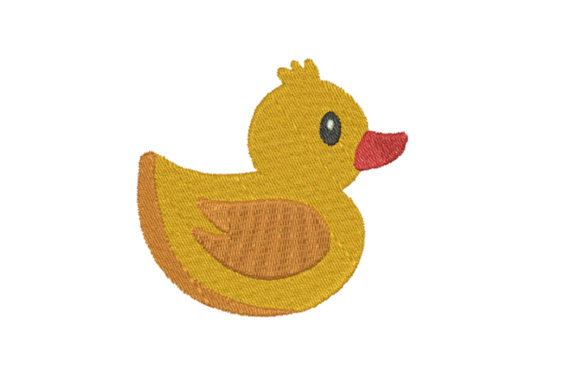
As an embroidery designer who’s stitched hundreds of kids’ designs—from nursery wall hangings to boutique baby blankets—I opened Duck Toy for Kid expecting charm, not complexity. What I found was exactly that: a cheerful, rounded duck with soft curves, friendly eyes, and a playful silhouette. It doesn’t try to impress with excessive detail or layered appliqué—it leans into clean satin stitch outlines and gentle fill stitch bodies. That simplicity is its strength. This isn’t a design that fights your machine; it’s one that invites repeat use across multiple product types without fatigue.
Where Duck Toy for Kid Naturally Fits in Your Workflow
The product description mentions swimsuits, towels, bathrobes, and pajamas—and yes, it works beautifully there—but in real-world testing, Duck Toy for Kid shines even more on items where personality matters but space is limited. Think: the front pocket of a linen apron, the corner of a cotton kitchen towel, the chest panel of a lightweight sweatshirt, or the center of a muslin baby blanket. Its scale feels intentional—not too large to overwhelm, not so small that details vanish. As a machine embroidery design, it reads clearly at 3.5–4 inches wide, making it ideal for standard 4x4 hoops without scaling compromises.
Performance Across Fabric Types & Applications
I tested Duck Toy for Kid on six substrates: cotton poplin (for pillow covers), terry cloth (bath towels), lightweight fleece (baby robes), jersey knit (custom apparel), twill (tote bag design), and curved cap fabric (using a cap frame). On stable weaves like poplin and twill, stitching was crisp—especially the beak and eye highlights, which held shape without puckering. On terry cloth, I added medium tear-away + cutaway hybrid stabilizer beneath; the fill stitch settled well into the loops without sinking or bleeding. Jersey required basting spray and a light cutaway—no skipped stitches, though I did reduce top tension slightly.
On caps? It worked—but only when hooped tightly and stitched with reduced speed. The duck’s rounded head and smooth contours handled the curve better than angular or text-heavy designs would. No dense stitch areas caused thread breaks or heat buildup, and the overall stitch density felt balanced—not sparse enough to look unfinished, not heavy enough to stiffen delicate fabrics.
Commercial Use Considerations: Etsy, Craft Fairs & Boutique Orders
If you sell handmade products on Etsy or supply local boutiques, Duck Toy for Kid adds quiet value. It’s instantly recognizable as child-friendly without leaning into cliché. Customers respond well to its warmth—especially when paired with neutral bases (ivory towels, oatmeal robes, heather grey sweatshirts). In mockup photos, it lifts the perceived quality of the finished product: no harsh edges, no pixelated fills, no awkward spacing between elements. That consistency builds buyer trust, especially for personalized gifts like monogrammed baby blankets or embroidered nursery decor.
For sellers using printable mockups, this design scales cleanly across light and dark backgrounds. I compared versions on white and navy fabric swatches—the duck retained clarity on both, especially when paired with high-contrast thread colors (e.g., butter yellow on navy, charcoal grey on ivory). That flexibility means fewer custom color adjustments per order and faster turnaround.
Design Assets That Support Your Brand—Not Complicate It
Duck Toy for Kid doesn’t demand special treatment. It’s not an applique design requiring extra trimming or layering. There’s no tiny lettering to struggle with, no nested satin stitch borders that snag on stretchy fabric. It uses straightforward running stitch for subtle accents (like wing texture) and generous satin stitch for smooth curves—ideal for beginner-friendly commercial embroidery workflows.
Because it lives in the Bed category on Creative Fabrica but performs equally well on apparel and accessories, it’s a smart cross-category asset. You can list it once in your digital inventory and deploy it across baby blankets, kitchen towels, and even embroidered patches—just adjust hoop size and stabilizer accordingly.
Practical Notes Before You Stitch
Before committing to a customer order—or uploading to your production queue—here’s what I recommend:
- Always test on scrap fabric matching your final substrate, especially for terry, jersey, or dark fabrics.
- Review thread color contrast before stitching: lighter threads on dark fabric may need an extra underlay pass for opacity.
- Confirm hoop size—while it fits comfortably in a 4x4, double-check if your version includes alternate sizes (some Creative Fabrica embroidery files offer 3x3 or 5x7 variants).
- Compare light/dark fabric mockups digitally first—you’ll spot visibility gaps before stitching begins.
- Use proper stabilizer: light cutaway for knits, medium tear-away for wovens, and fused + cutaway for terry or textured surfaces.
- Inspect small details post-stitch: the eye highlight and beak tip are subtle but critical to the duck’s expression—make sure they’re fully formed.
- Verify licensing on the Creative Fabrica product page before selling finished items commercially—some embroidery files allow unlimited physical use but restrict digital resale.
Final Thoughts for Designers & Small Business Owners
Duck Toy for Kid won’t replace your entire kids’ design library—but it earns its place as a reliable, mood-lifting workhorse. It’s the kind of digital embroidery file that ships fast, photographs well, and delights customers without demanding extra labor. For craft fair vendors, it’s a quick-sell item on tea towels or tote bags. For Etsy sellers, it pairs naturally with seasonal listings—think spring baby showers or summer swim collections. And for apparel decorators building consistent brand aesthetics, its cheerful tone supports storytelling without overwhelming your core message.
It’s not flashy. It doesn’t chase trends. But as a handmade product enhancer—whether stitched on a pillow cover, embroidered patch, or custom robe—it delivers quiet professionalism. That’s rare. And valuable.