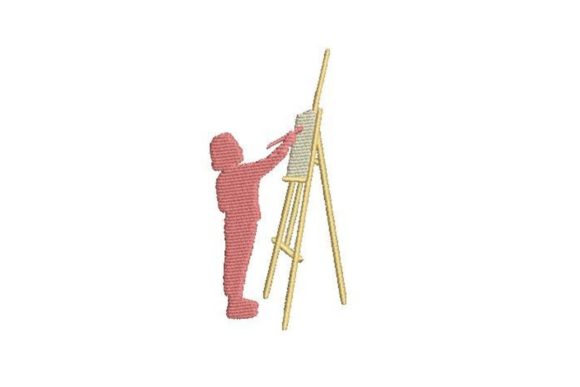
Child Painting: A Seasonal Review for Holiday Collections
As an experienced embroidery designer, I spend a significant portion of the year curating digital assets that will transform into tangible memories for families. When reviewing a new machine embroidery design like Child Painting, my primary focus is not just on the aesthetic appeal, but on its viability within a high-volume seasonal collection. For Etsy sellers, small business owners, and crafters planning holiday product drops, every file must earn its place in the inventory. This review explores how this specific design fits into the narrative of family gifts, home decor, and personalized items during the most competitive time of the year.
The Emotional Hook of Child Painting
The first impression of Child Painting is one of immediate nostalgia and playful warmth. In a market saturated with generic holiday motifs like snowmen or reindeer, designs that capture the essence of childhood creativity stand out. The title itself suggests a scene of innocent artistic expression, which carries a strong emotional weight for parents and grandparents looking for meaningful handmade gift options. It feels less like a standard decoration and more like a cherished memory frozen in thread.
This design strikes a balance between cute and professional. It avoids being overly childish while maintaining the whimsical energy required for children's apparel and nursery decor. Whether you are creating a limited edition sweatshirt line or a set of matching family pajamas, the tone of Child Painting invites customers to imagine their own child engaged in a creative moment. It works exceptionally well for fall and winter collections where cozy, sentimental themes dominate consumer behavior.
Strategic Applications for Holiday Sellers
Integrating Child Painting into your product lineup requires thinking beyond simple t-shirts. The versatility of this embroidery file allows it to be adapted across various mediums that are hot sellers during the holidays. Here is how I envision deploying this design for maximum impact:
- Sweatshirt Embroidery: The design creates a focal point on the chest or back of oversized hoodies, perfect for "family matching" sets sold as holiday bundles.
- Tote Bag Design: Parents love reusable bags for school art projects or holiday shopping. Adding this motif to canvas totes makes them functional keepsakes.
- Kitchen Towel Embroidery: A subtle placement on a tea towel can evoke the feeling of baking cookies together, adding a domestic charm to kitchen decor.
- Pillow Cover: Large decorative pillows featuring this scene serve as excellent centerpiece pieces for living rooms during the festive season.
- Embroidered Patch: Converting the design into a patch allows for application on denim jackets or beanies, appealing to a slightly older demographic looking for unique accessories.
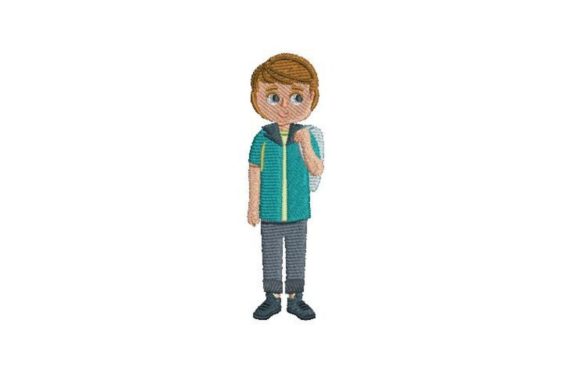
- Baby Items: Given the "Boys" category context, this design is ideal for baby onesies, burp cloths, and milestone blankets, which are top-tier personalized gift categories.
For digital buyers, offering Child Painting as part of a "Holiday Creativity" bundle alongside other artsy motifs can increase the average order value. Social media previews using realistic mockups of this design on aprons or table linens can drive engagement by showing potential buyers exactly how the final product looks in a home setting.
Navigating Technical Challenges and Limitations
While the concept is strong, practical execution is what separates a successful shop from a disappointing one. As a designer, I must advise caution when applying Child Painting to certain substrates. Small hoop sizes often struggle with complex scenes; if the design contains fine details or tiny lettering, it may become muddy or indistinguishable on smaller garments like baby socks or miniature ornaments.
Thick towels and heavy fabric textures can sometimes obscure the definition of the stitching. If you plan to use this on plush materials, you may need to adjust the underlay settings to ensure the design sits flush rather than sinking into the pile. Similarly, dark fabrics require careful consideration of thread colors. Without a sufficient density of white or light-colored threads underneath, the design may lack the brightness needed to pop against black or navy backgrounds.
Another critical area to monitor is metallic thread usage. While metallics add a premium feel, they can cause tension issues on machines if the design has too many long satin stitches. Furthermore, stretchy garments like jersey knit caps or fitted tees require a stabilizer strategy that prevents puckering. If the design is placed on a curved cap, the distortion might alter the proportions of the painting scene, so testing on a curved surface is mandatory before mass production.
Impact on Brand Consistency and Customer Trust
In the world of Etsy seller operations and small shop product creation, visual recognition is currency. A cohesive collection builds trust. When a customer sees Child Painting used consistently across different products—say, a pillow cover that matches a tote bag—they perceive your brand as curated and professional. This consistency enhances the perceived value of the finished product, allowing you to command higher price points for seasonal embroidery items.
Furthermore, the emotional resonance of this design directly influences buyer emotion. Customers are not just buying a stitched image; they are buying the sentiment of a happy, creative childhood. This connection drives conversion rates during the holiday rush. However, to maintain this trust, the quality of the stitch density must be impeccable. Blurry lines or loose threads can break the illusion of quality instantly. Always ensure your digital embroidery file is optimized for the specific fabric texture you are targeting.
Essential Designer Notes for Production
Before adding Child Painting to your commercial inventory, there are several technical steps that cannot be skipped. First, test thread colors on both light and dark fabric swatches to ensure contrast and visibility. Check the stitch density carefully; if the design is too dense, it may create a stiff, uncomfortable spot on clothing, especially for children's wear.
Confirm the recommended hoop size provided in the file metadata. Using a hoop that is too small for the design dimensions can lead to re-hooping errors or distorted geometry. Proper stabilizer selection is equally vital; a cut-away stabilizer is often necessary for woven fabrics like cotton or linen to prevent shifting, while a tear-away might suffice for stable knits depending on the design complexity.
Create realistic mockups that show the design in action. A flat scan of the digitization does not convey the texture of the thread or the depth of the stitching. Finally, review small details after stitching to ensure no loose ends or registration errors exist. Plan matching color palettes that align with current holiday trends, such as deep reds, forest greens, or soft pastels, to maximize the seasonal appeal.
Lastly, verify commercial licensing terms explicitly. Just because a file comes with multiple formats does not automatically grant the right to sell finished goods. Ensure you have the appropriate license to use Child Painting for commercial embroidery purposes. By following these rigorous standards, you ensure that every item bearing this design meets the high expectations of modern consumers looking for quality handmade gift solutions.